
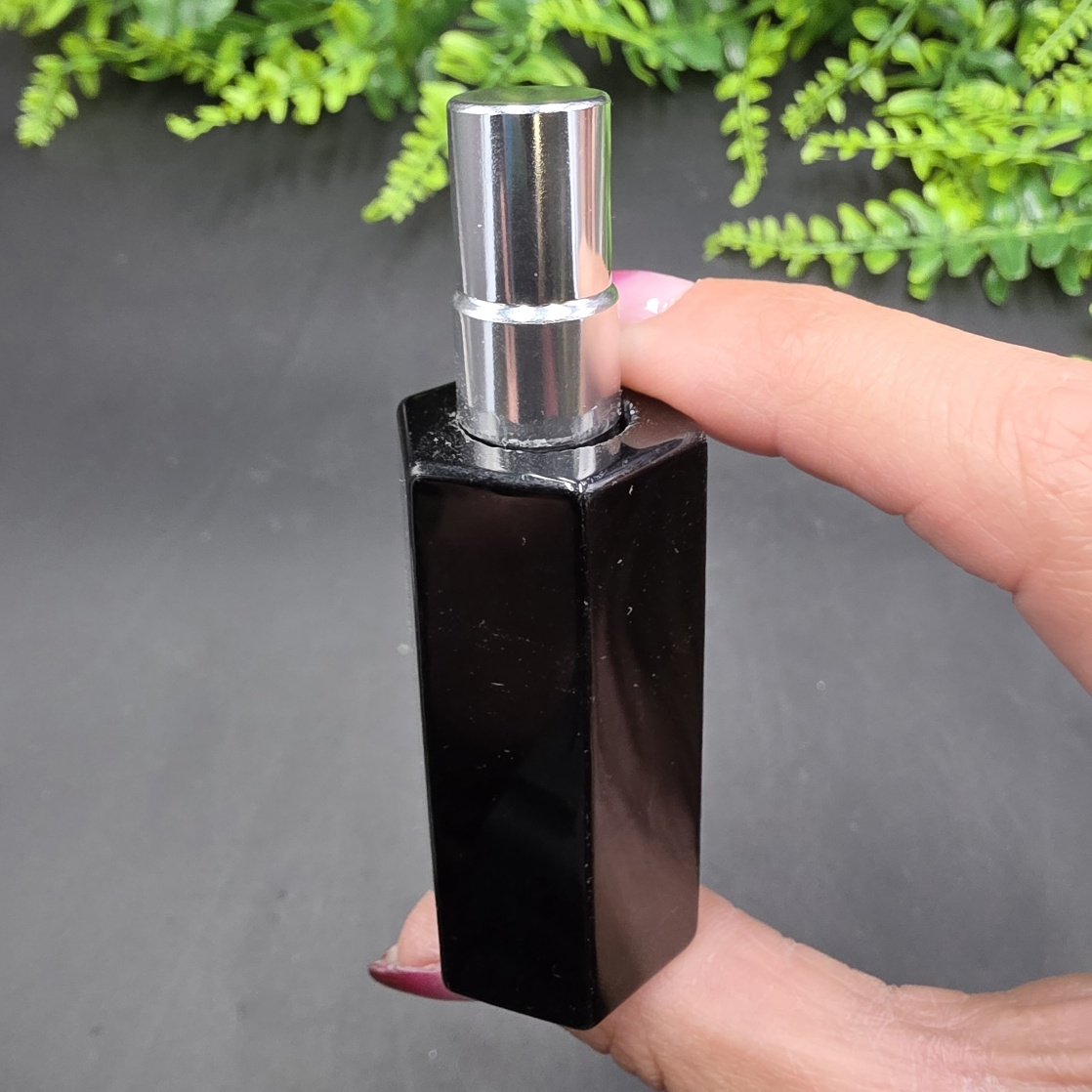
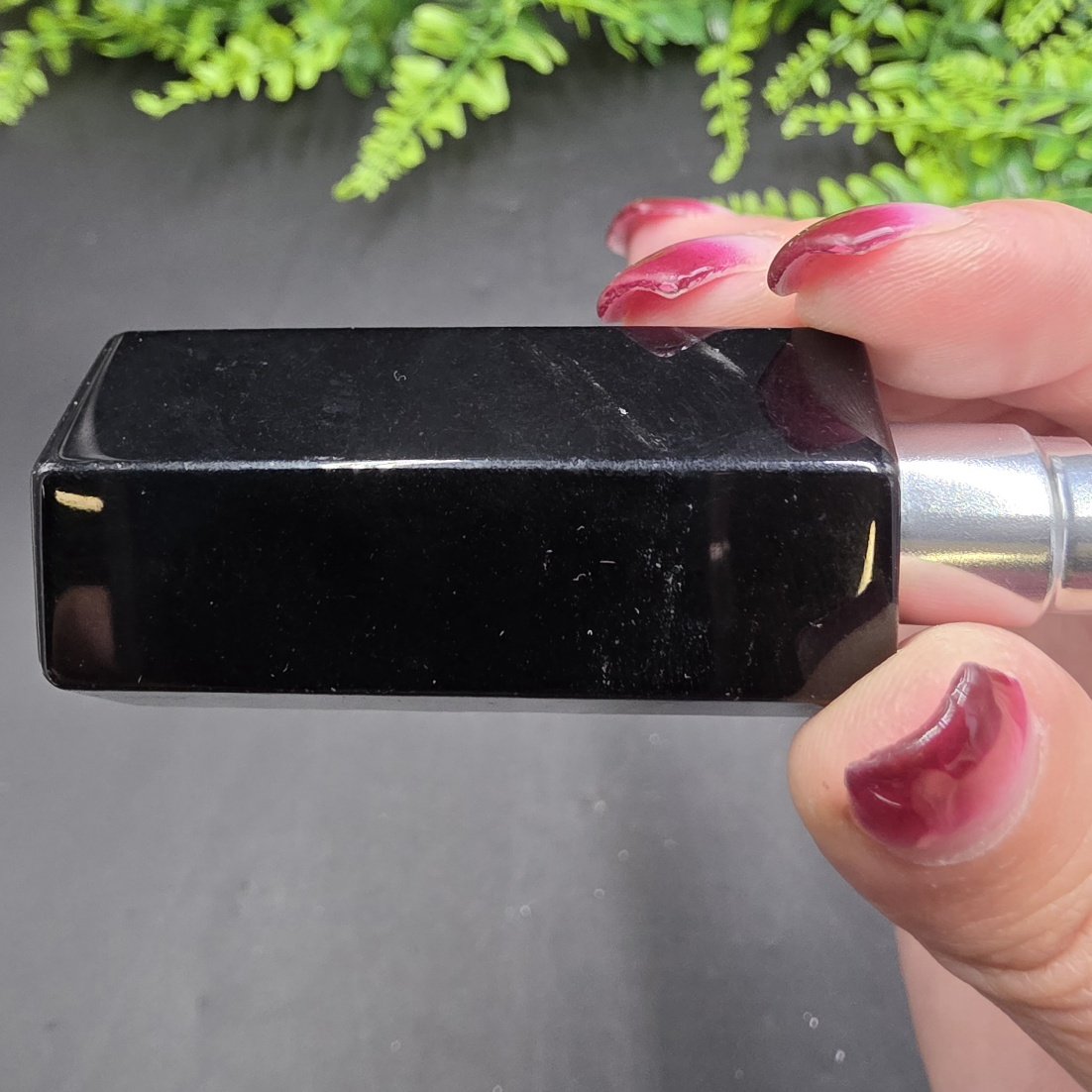
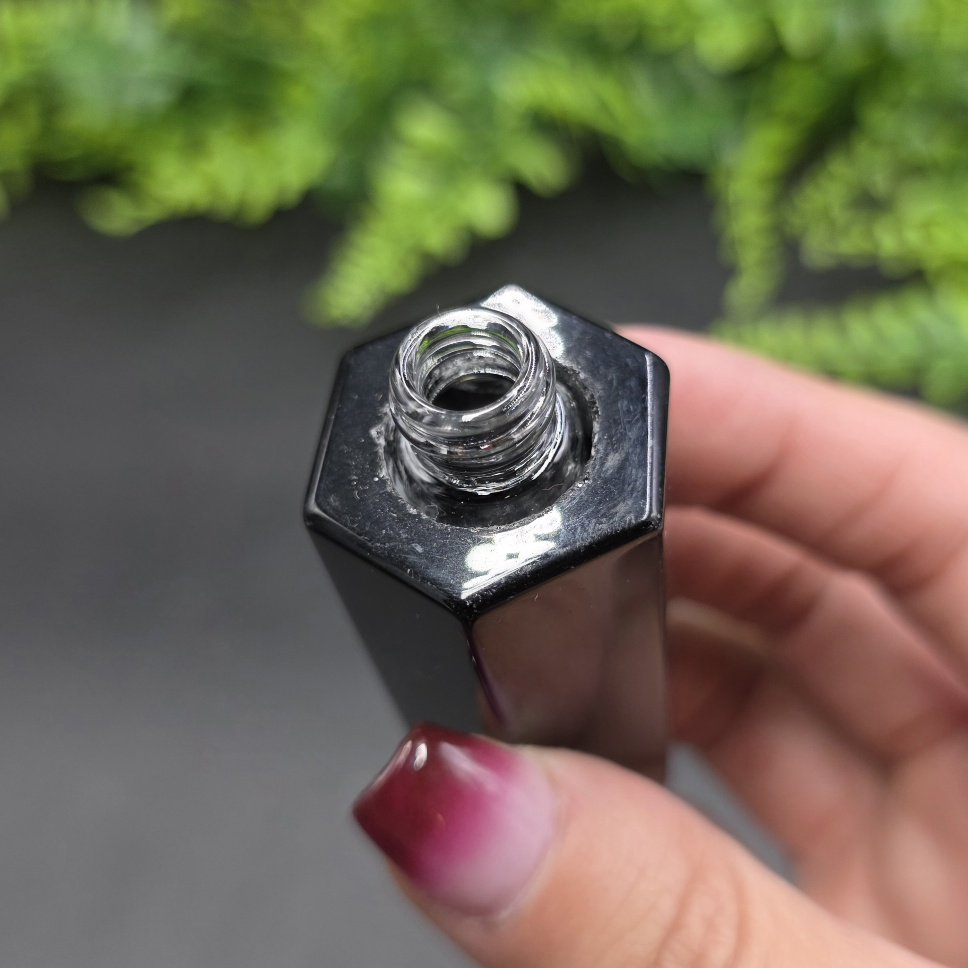
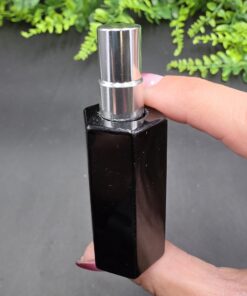
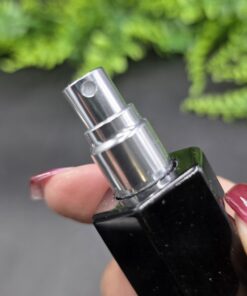
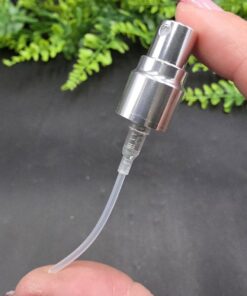
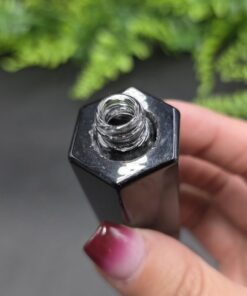
Onyx Tincture Bottle | China | SiO2 | Polished Onyx
$28.00
6 in stock
Though most commonly recognized in its black form, onyx can also display bands of white, brown, and red, creating mesmerizing natural patterns. The black variety, often enhanced through dyeing, is prized in jewelry and carvings for its sleek, enigmatic beauty. The name “onyx” comes from the Greek word ὄνυξ (onyx), meaning “claw” or “fingernail”—a reference to its pale bands resembling fingernail-like layers.
*
Onyx has been used since ancient times for amulets, cameos, and seals—valued by both the Greeks and Romans for its elegance and supposed protective properties. It’s often confused with obsidian (a volcanic glass), but unlike obsidian, onyx is a true mineral, composed of intergrown quartz crystals.
*
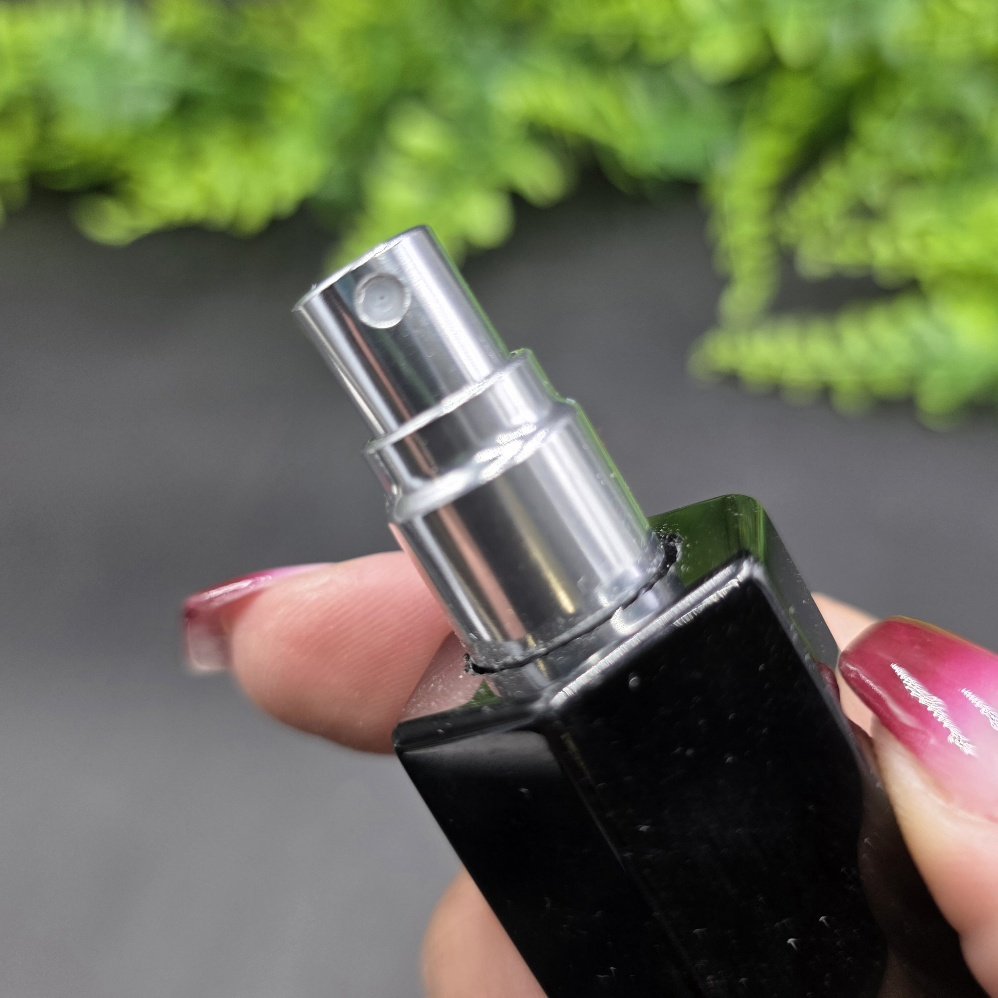
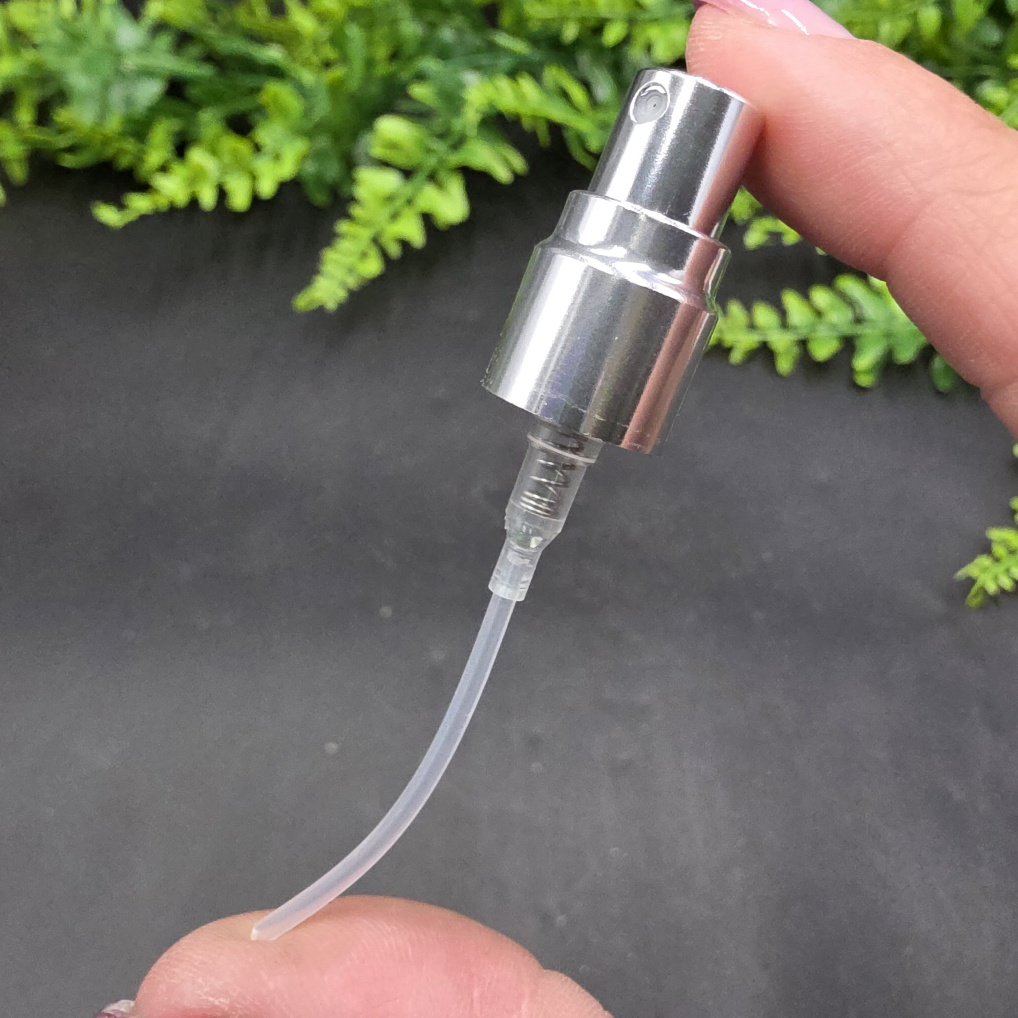
Onyx is deeply tied to themes of inner strength, grounding, and protection. It’s often seen as a stone that absorbs negative energy, helping to center and focus the mind in times of stress or grief. It is said to anchor the soul during times of transition, making it a talisman for those exploring their inner world or standing at a crossroads. A tincture/perfume in these bottles can potentially help to augment these properties. These bottles are assembled to accommodate a glass bottle inside for cleanliness and safety.
| Weight | 0.0771617 lbs |
|---|---|
| Dimensions | 2.25 × 2.25 × 1.5 in |